Food Preservation Reference
Traditional methods for keeping food through the Canadian seasons
Water-bath canning, lacto-fermentation, root cellaring, and pressure canning — documented for home preservers across Canada.
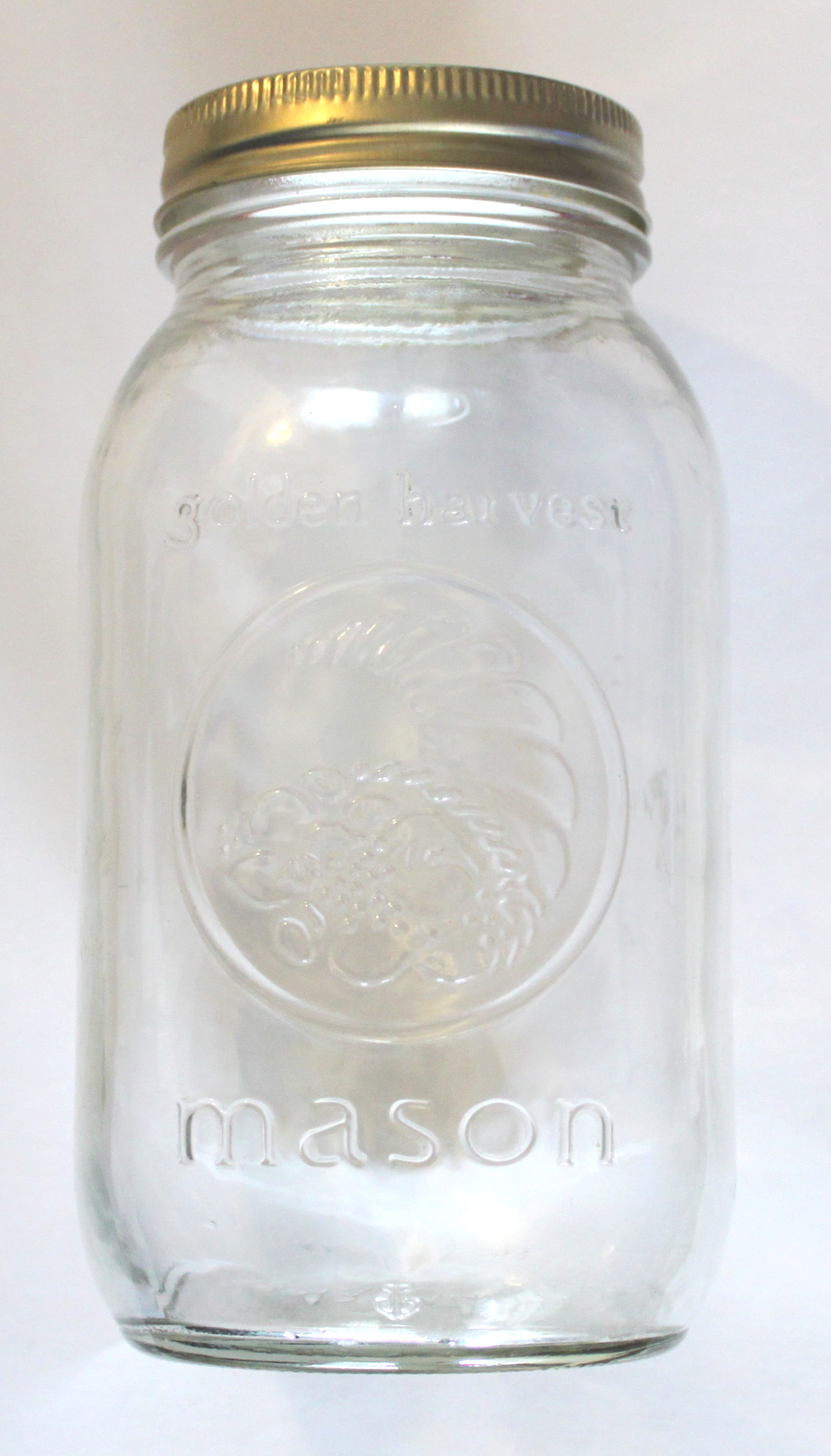
Preservation Guides
Three methods, one pantry
Each approach below has its own requirements, timelines, and failure points. These guides cover the specifics without glossing over what can go wrong.

Water-Bath Canning: A Step-by-Step Guide for Home Preservers
How to safely process high-acid foods — jams, tomatoes, pickles — using a boiling-water canner. Timing, jar prep, and headspace explained.
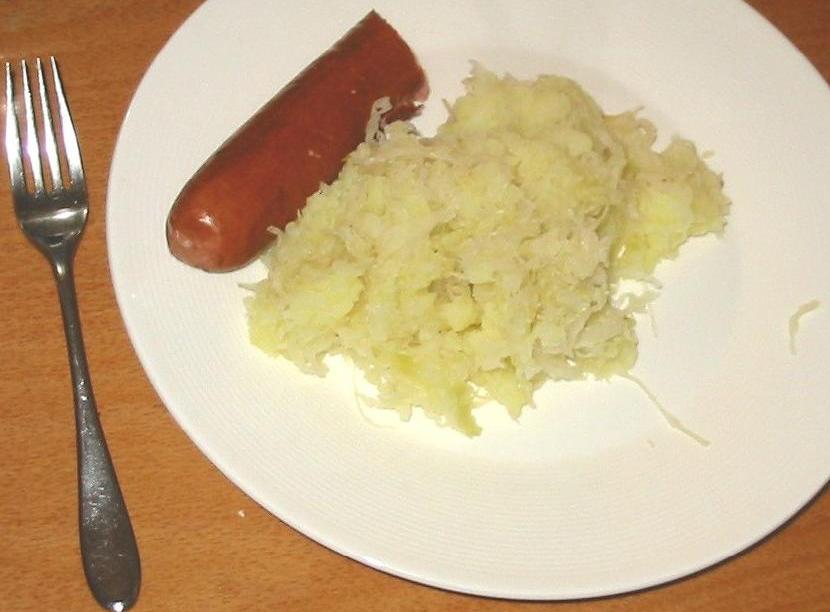
Lacto-Fermentation at Home: Salt, Vegetables, and Live Culture
Sauerkraut, kimchi, dill pickles without vinegar — the mechanics of wild fermentation and how salt concentration determines what grows in the jar.
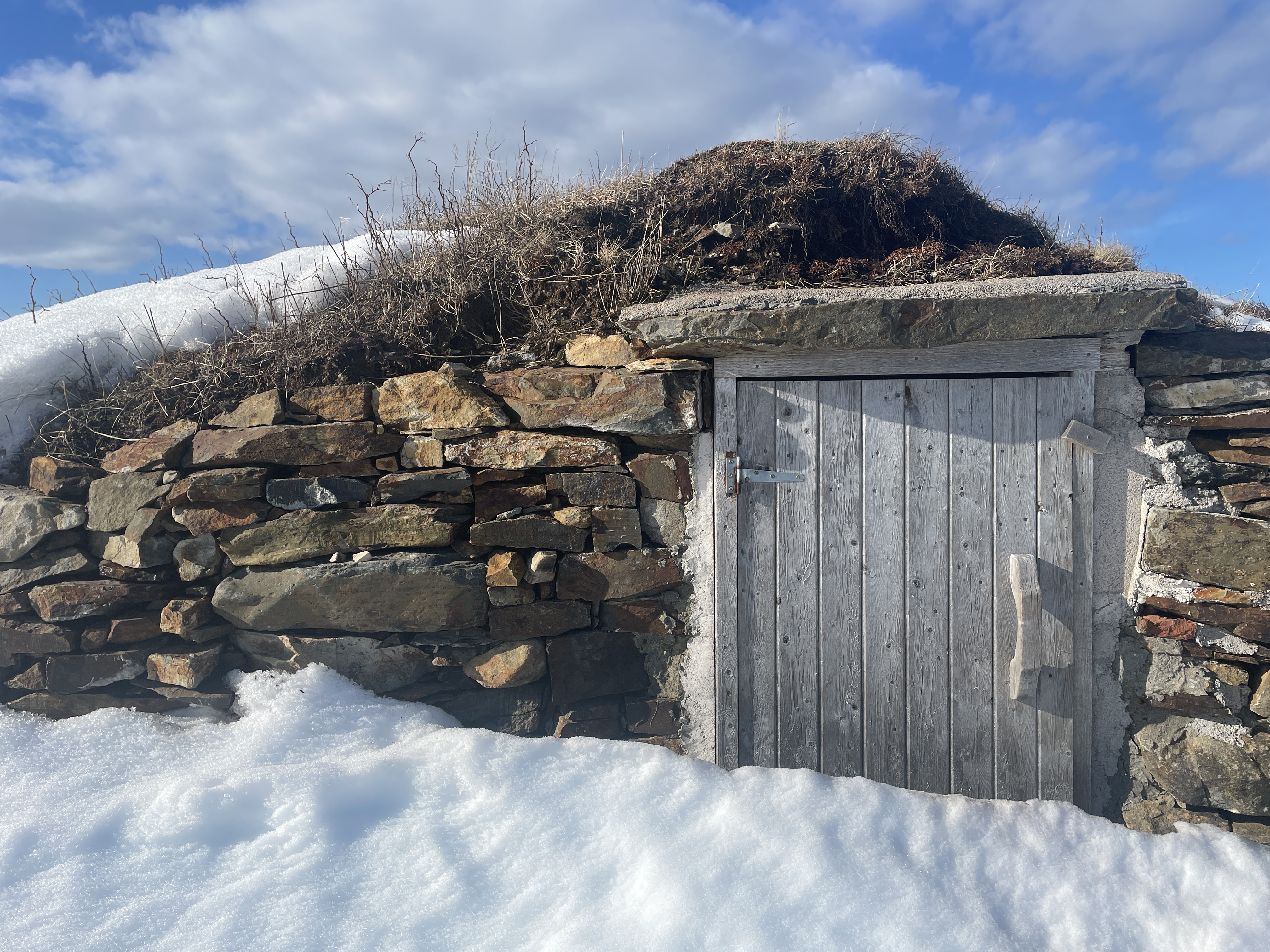
Root Cellaring in Canada: Humidity, Temperature, and Storage Layout
Carrots, potatoes, beets, and apples stored through the winter without electricity. The conditions each crop needs and how Canadian basements typically measure up.
Pressure canning low-acid vegetables safely
Green beans, corn, carrots, and beets require processing at 240°F (116°C) — a temperature only achievable in a pressure canner, not a boiling-water bath. Using the wrong method with low-acid foods carries a genuine botulism risk. This section explains why pressure is non-negotiable and what the USDA-tested times mean for common Canadian garden crops.
Read pressure canning notes
Key Concepts
What matters most before you begin
Foods with a pH below 4.6 — most fruits, tomatoes with added acid, and pickled vegetables — can be safely processed in a boiling-water bath. Everything above that pH threshold needs pressure canning.
A 2–3% brine by weight inhibits unwanted bacteria while allowing Lactobacillus to thrive. Too little salt and the ferment turns soft or mouldy. Too much and it stalls entirely. Weighing is more reliable than measuring by volume.
Root vegetables want 90–95% relative humidity; apples and pears need 90% but should be kept away from root crops because ethylene gas accelerates spoilage. A concrete-floor basement in most Canadian provinces stays within range naturally through winter.
What you can reasonably store without refrigeration from a Canadian garden
A typical backyard garden in Ontario or British Columbia can produce enough surplus to fill a small pantry and a cold room through the winter months. Below are the crops most commonly preserved at home and the methods that suit them best.
- Tomatoes — water-bath canning with citric acid or bottled lemon juice
- Green beans — pressure canning only
- Cucumbers — lacto-fermentation or vinegar pickling
- Cabbage — lacto-fermentation as sauerkraut
- Carrots — root cellar or pressure canning
- Potatoes — root cellar at 4–7°C
- Apples — root cellar, separate from all root vegetables

Fermentation does not require expensive equipment
A ceramic crock or a wide-mouth mason jar, non-iodised salt, and whatever vegetable is in season — that is the full list. The bacterial cultures that make lacto-fermentation work are already on the surface of the vegetables. The salt creates the conditions for the right ones to dominate.
Read the fermentation guideQuestions about a specific technique or crop?
This resource covers the most common methods used by home preservers in Canada. If your question is not addressed in the guides, use the contact form and it may be added to a future update.
Get in touch