Lacto-Fermentation at Home: Salt, Vegetables, and Live Culture
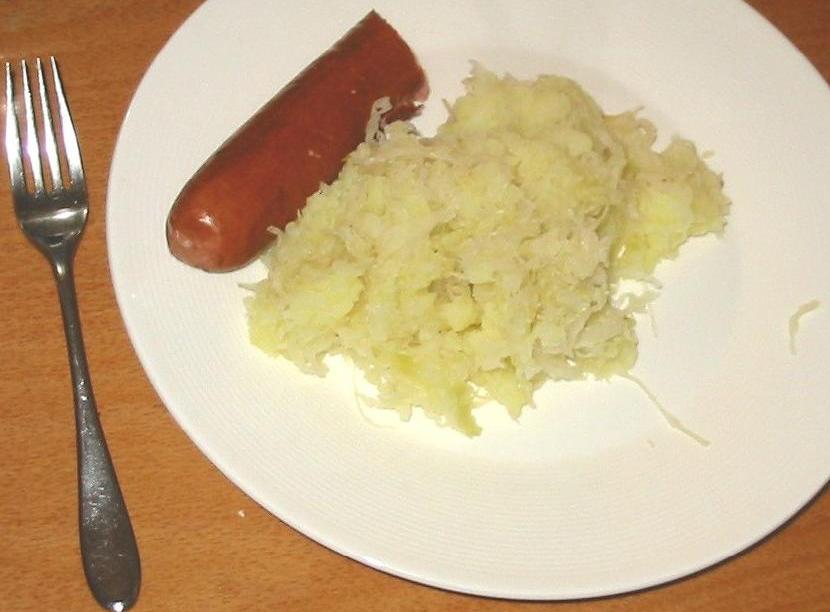
Lacto-fermentation preserves vegetables through the activity of lactic acid bacteria (LAB), primarily species of Lactobacillus, that are already present on the surface of raw vegetables and in the surrounding environment. When submerged in a salt brine or packed tightly with salt, these bacteria produce lactic acid as they consume the sugars in the vegetable. The rising acidity inhibits spoilage organisms and eventually stabilises the ferment at a pH low enough for safe long-term storage.
Unlike canning, lacto-fermentation requires no heat, no special equipment beyond a vessel and a weight, and no commercial starter culture. The cultures needed are already on the cabbage or cucumber sitting on your counter.
How salt controls what grows
Salt concentration is the single most important variable in vegetable fermentation. It does two things simultaneously: it draws water out of the vegetable through osmosis (creating the brine that submerges the food), and it selects for salt-tolerant lactic acid bacteria while suppressing less desirable organisms.
The effective range for most vegetable ferments is 1.5–3% salt by weight of the total mixture (vegetable plus salt). Within that range:
- 1.5–2% — fast fermentation, active bubbling within 24 hours, softer texture, stronger flavour development. Suitable for cucumbers and vegetables you want to eat within 2–3 months.
- 2–3% — slower, more controlled fermentation. Better for long-term storage (3–6 months or more in a cold environment). The most common range for sauerkraut and kimchi.
- Below 1.5% — insufficient to prevent mould and yeast from outcompeting the LAB. Soft or slimy texture is common.
- Above 3.5% — fermentation slows significantly or stalls. The product will be very salty and may not develop enough acidity for stable preservation.
Weigh your salt rather than measuring by volume. Table salt, kosher salt, and coarse sea salt have different densities; a tablespoon of each contains a different weight. Using non-iodised salt is standard practice — iodine inhibits bacterial activity and can slow or complicate fermentation, though the effect is modest with small quantities.
Sauerkraut: the simplest ferment
Sauerkraut requires only two ingredients: cabbage and salt at 2% by weight (20 g of salt per 1 kg of shredded cabbage). The cabbage is shredded finely, combined with salt, and massaged or kneaded until it releases enough liquid to submerge itself. That liquid becomes the brine.
- Weigh the shredded cabbage. Calculate 2% of that weight in grams of salt.
- Combine cabbage and salt in a large bowl. Knead and squeeze firmly for 5–10 minutes until a significant pool of liquid forms at the bottom of the bowl.
- Pack tightly into a clean wide-mouth jar, pressing down hard after each addition so brine rises above the cabbage. Leave 5 cm of headspace for expansion.
- Weight the cabbage below the brine surface using a zip-lock bag filled with brine, a smaller jar, or a purpose-built fermentation weight. Exposure to air encourages mould.
- Cover the jar mouth with cloth or a loose lid to let CO₂ escape. Keep at room temperature (18–22°C) out of direct sunlight.
- Taste from day 3 onward. Most people find sauerkraut reaches a preferred flavour in 1–4 weeks at room temperature in Canadian homes. Move to cold storage (4°C or below) when the flavour suits.

A range of preserved foods. Ferments in brine share jar space with canned goods in many Canadian pantries.
Lacto-fermented dill pickles
Fermented dill pickles — as opposed to vinegar pickles — develop a more complex, rounded sourness through active bacterial culture. They require a brine rather than being dry-salted like cabbage, because cucumbers do not release enough liquid on their own.
A standard brine for cucumber pickles is 3–4% salt by weight dissolved in non-chlorinated water (use filtered or boiled-and-cooled water if your tap water is heavily chlorinated). Chlorine can slow fermentation. Pack cucumbers tightly into a jar with fresh or dried dill, garlic, and optionally a grape leaf or oak leaf (the tannins help maintain crunch). Pour brine over, weight cucumbers below the surface, and ferment at room temperature for 3–7 days. The pickles will turn from bright green to an olive-drab colour as the chlorophyll breaks down — this is normal.
Fermented pickles are not shelf-stable in the way canned pickles are. After reaching the desired flavour, move them to cold storage and consume within 3–4 months.
What normal looks like and what to watch for
Normal during fermentation
- Active bubbling, especially in the first few days
- Cloudy brine (LAB produce lactic acid and CO₂, which turn the brine opaque)
- Sour smell that sharpens over time
- Occasional white film on the surface (kahm yeast — harmless, skim it off)
Signs of a problem
- Fuzzy mould above the brine surface in green, black, or pink — discard the batch
- Slimy texture throughout the vegetable (not just the brine) — salt was likely too low
- No activity after 72 hours in a warm kitchen — insufficient salt, chlorinated water, or very cold environment slowing the culture
- Very unpleasant smell beyond normal sourness — discard
Fermentation is forgiving within the right salt range. The most common failures come from not keeping the vegetables submerged below the brine surface. Check daily for the first week and press vegetables down if they have floated up.
Cold storage and shelf life
Properly fermented vegetables with a pH below 3.5 and stored at 4°C or below will keep for 4–6 months with acceptable texture and flavour. Sauerkraut can keep for 12 months or more in cold storage if packed tightly in jars with lids. Cucumbers become progressively softer over time; most people prefer them within 2 months.
Fermented vegetables do not need to be canned for safety — refrigeration or a cold room below 7°C is sufficient. Heat-processing lacto-fermented vegetables kills the live culture and largely defeats the purpose of fermentation as a preservation method in the traditional sense.