Root Cellaring in Canada: Humidity, Temperature, and Storage Layout
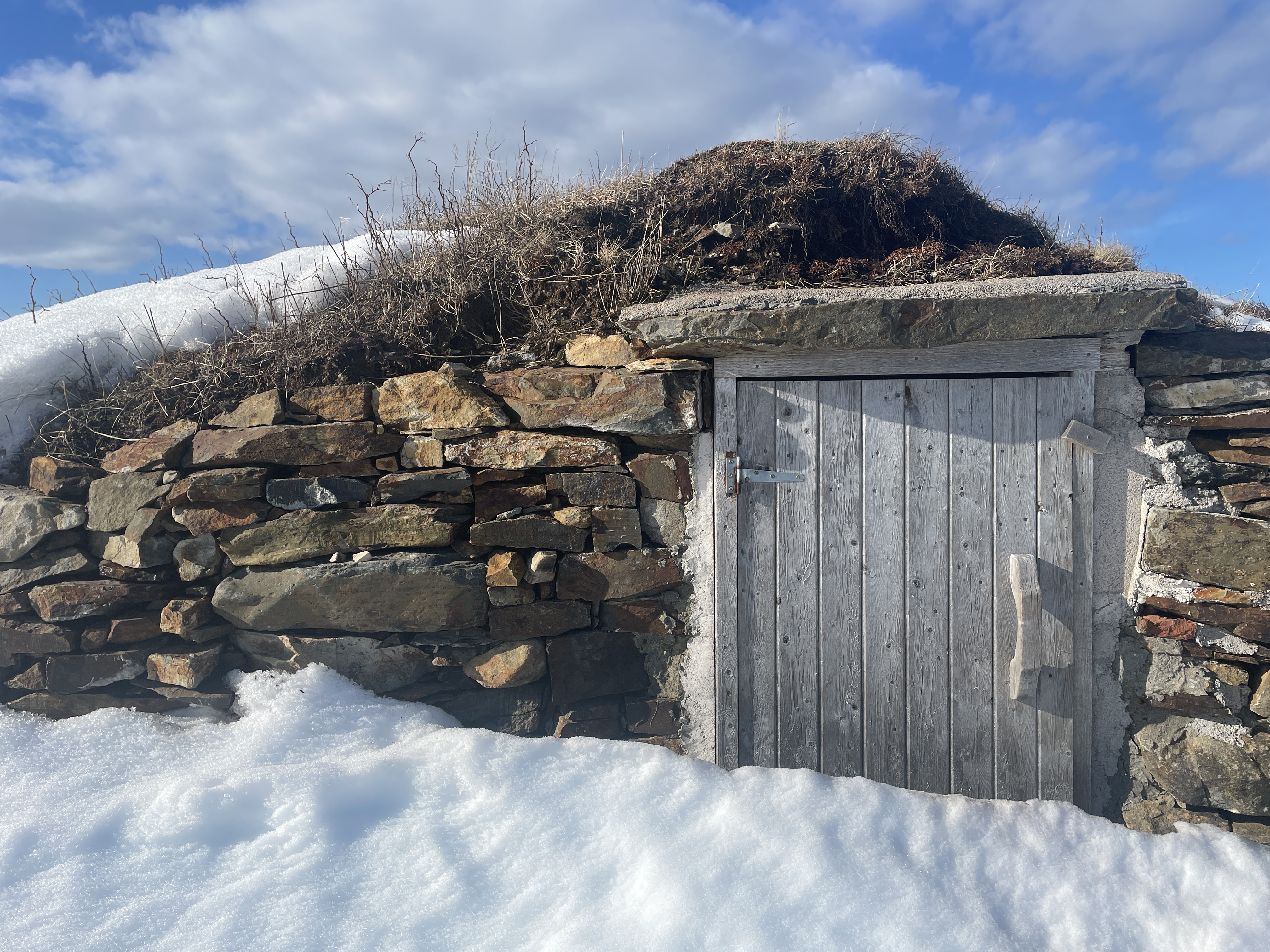
Root cellaring is the practice of storing fresh vegetables and fruit in a cool, humid environment to slow the biological processes that cause deterioration — respiration, moisture loss, and pathogen growth. It does not require electricity, canning equipment, or any chemical preservative. What it requires is a space that can hold the right temperature and humidity through winter, and an understanding of which crops are compatible with each other in storage.
In most of Canada, a basement with an exterior concrete wall provides a naturally suitable environment from late October through April. The challenge is matching the storage conditions to what each crop actually needs — carrots and apples, for instance, cannot share a room without the apples accelerating the deterioration of the carrots.
Why temperature and humidity both matter
Root vegetables and most storage fruits need different combinations of temperature and humidity. Getting one right and neglecting the other shortens storage life considerably. Vegetables stored too dry will lose moisture through the skin, becoming limp and shrivelled within weeks. Vegetables stored too warm will respire quickly, consuming their own sugars and becoming soft.
The two primary zones for storage crops are:
- Cold and moist (0–4°C, 90–95% RH): Carrots, beets, parsnips, turnips, celeriac, leeks. Most root vegetables fall into this zone. In a well-insulated Canadian basement, the northeast corner of an unheated room against two exterior walls is often within this range from November through March.
- Cool and moist (4–7°C, 90–95% RH): Potatoes, apples, pears. Slightly warmer than the first zone. Potatoes kept below 4°C convert starch to sugar, altering their cooking quality; above 10°C they sprout quickly.
A third zone — cool and dry (10–15°C, 60–70% RH) — suits onions, garlic, and shallots, which need airflow and low humidity rather than moisture. These are typically stored hanging in mesh bags in a garage or unheated porch, not in a cold room with root vegetables.

Interior root cellar storage. Shelving keeps produce off the floor and allows air circulation between bins.
Canadian basements: what to expect
A standard Canadian house basement with a poured concrete foundation will have an ambient temperature near the exterior walls of 2–8°C through January and February in most provinces, and 5–12°C through November and March. The closer you are to the exterior wall and the better the exterior insulation on that wall is, the cooler the space will be.
Humidity in an unfinished concrete basement often runs naturally at 80–90% RH, which is close to ideal for most root vegetables. Basements with spray foam insulation or vapour barriers on interior surfaces will be drier. In that case, a shallow tray of water or sand packed around root vegetables helps maintain humidity.
Finished basements with HVAC are unsuitable for root cellaring without a purpose-built cold room — the heating and dehumidification cycles are incompatible with the storage requirements.
Crop-by-crop storage conditions
Potatoes
Store at 4–7°C in the dark at high humidity. Light exposure causes greening (solanine accumulation in the skin); green potatoes should not be eaten in quantity. Cure freshly dug potatoes at 10–15°C for 10–14 days before cold storage to allow skin to toughen and small cuts to heal. A well-cured potato in the right conditions can last 4–6 months.
Carrots
Store at 0–4°C at 90–95% RH. In practice, burying carrots in slightly damp sand or sawdust in wooden boxes is the most reliable way to maintain humidity around the roots. Carrots stored this way can last 4–6 months. Remove tops before storage — the greens continue to pull moisture from the root.
Beets
Similar conditions to carrots. Remove tops, leaving 2–3 cm of stem to reduce moisture loss from the cut end. Can be stored in damp sand or on open shelving in a cold room. A well-ventilated cold room will keep beets in good condition for 3–5 months.
Apples
Store at 0–4°C at 90% RH. Critically, apples produce ethylene gas as they ripen, which accelerates the deterioration of all other stored produce. Keep apples in a separate area from root vegetables, or in a tightly sealed container if space does not allow separation. Even a few soft apples generate enough ethylene to measurably affect carrots and potatoes within the same room over weeks.
Not all apple varieties store equally well. Northern Spy, Cortland, Golden Russet, and similar late-season varieties store for 3–5 months. Early-season varieties like Lodi and Pristine are not suited to long storage.
Onions and garlic
These require the opposite of root vegetables: cool but dry, with good airflow. Cure fully before storage — onions need 3–4 weeks at room temperature for their outer skins to papery-dry completely. Store in mesh bags or on wire racks at 10–15°C in a garage or unheated porch. Do not store in the same space as apples or root vegetables; the humidity will cause rot.
Checking and maintaining stored produce
Check stored vegetables every 2–3 weeks. Remove anything showing soft spots, mould, or unusual smell promptly — one rotting carrot in a bin will affect its neighbours within days. In particular, a single rotting potato in a bag can reduce the whole bag to unusable condition within a week.
Temperature can swing significantly as outdoor temperatures fluctuate in November and March. A simple minimum/maximum thermometer placed in the storage area helps track these swings. If temperatures consistently drop below 0°C, some crops (particularly potatoes and apples) may freeze and become inedible after thawing.
Cold room construction basics
If your basement does not have a naturally suitable area, a small cold room can be constructed in a corner against two exterior walls. The basic requirements are: insulated interior walls and ceiling (to separate the cold room from the heated basement), a vent to the outside to bring in cold air, and a way to close that vent when temperatures drop below -10°C to prevent freezing. A simple louvred vent with a manually closed damper is the most common setup.
The floor can remain as concrete, which helps maintain low temperatures. Wooden shelving and slatted bins allow air circulation around produce.